太阳耀斑
‘달러 대 달러’ 캐나다의 반격… 美 중간선거 겨냥 핀셋 관세_我的网站

A | 700개 품목 15~50% 보복관세 美 중간선거 경합주 수출품 겨냥 트럼프 “온타리오호 명칭 변경” 프랑수아 필립 샹파뉴(가운데) 캐나다 재무장관 등이 25일(현지시간) 오타와의 한 공장에서 미국과의 관세전쟁에 대한 입장을 밝히고 있다. AP연합뉴스 캐나다가 25일(현지시간) 예고대로 미국산 제품에 대해 ‘달러 대 달러’ 보복관세를 발표했다. 특히 중간선거를 앞두고 도널드 트럼프 미국 대통령과 공화당이 승리를 장담할 수 없는 지역에서 수입되는 상품을 겨냥해 정치적 효과를 극대화하려는 의도다. 캐나다 재무부는 이날 철강과 가구, 의류, 해산물 등 미국산 약 700개 품목에 15%, 25%, 50%의 보복관세를 다음 달 8일부터 차등 부과한다고 발표했다. 약 200억 달러 규모로 미국이 지난 22일부터 같은 규모의 캐나다산 제품에 50% 관세를 부과한 것에 대한 보복 조치다. 프랑수아 필립 샹파뉴 캐나다 재무장관은 “우리가 이 갈등을 선택한 것은 아니지만 경제적 통합이 상생 파트너십의 토대가 아니라 무기로 이용될 때는 맞서야 한다”고 말했다. 캐나다는 관세 부과 품목 선정에서 11월 미국 중간선거를 겨냥했다. 위스콘신주의 가공치즈와 메인주의 해산물 등 경합주 주요 수출품을 포함하고, 켄터키주의 세탁기 등 트럼프 지지 기반인 곳의 상품을 공략했다. 멜라니 졸리 캐나다 산업장관은 이날 “미국 내 특정 주를 겨냥할 수 있는 제품들도 관세 대상으로 삼고 있다”며 “정치적 압력을 가하기 위해 현명하고 전략적으로 접근하고 있으며 지금 이것이 옳은 일이라고 생각한다”고 말했다. 25일(현지시간) 도널드 트럼프 미국 대통령이 트루스소셜에 ‘아메리카호’로 이름을 바꿔 올린 온타리오호 지도. 트루스소셜 월스트리트저널은 이날 “관세 부과 대상에 포함된 200여개 해산물 품목이 메인주에 정치적 압박을 가하려는 의도”라고 분석했다. 메인주에서는 현역 공화당 소속 수전 콜린스 상원의원이 민주당 후보의 거센 도전을 받고 있다. 콜린스 의원은 전날 “캐나다에 새로운 관세를 부과하는 것은 실수”라며 “캐나다와 맺고 있는 우호적이고 경제적으로 유익한 관계로 되돌아가길 바란다”고 말했다. 메인주와 미시간주, 위스콘신주 등 미 북부지역은 캐나다와 경제적으로 밀접히 연관돼 있다. 미시간주 자동차 산업은 캐나다 온타리오주와 사실상 통합돼 있다. 엔진 등 부품이 미국과 캐나다 국경을 오가면서 가공 조립된다. 특히 캐나다가 소비재에까지 관세를 부과한 것도 미국 소비자의 물가 부담을 겨냥한 것이란 해석이 나온다. AP통신은 관세가 해산물과 치즈, 화장품, 화장지 등에도 부과되는 점을 거론하며 “분쟁이 장기화할 경우 중간선거를 앞둔 시점에서 미국 기업과 소비자들의 부담이 커질 수 있다”고 전망했다. 트럼프는 이날 트루스소셜에 “온타리오주와 더는 사업을 많이 할 것 같지 않아 온타리오호 이름을 아메리카호로 변경하는 방안을 진지하게 검토하고 있다”고 밝혔다. 온타리오호는 캐나다와 미국 사이에 있는 호수다. 온타리오주의 더그 포드 주총리는 관세 정책에 반대했던 로널드 레이건 전 미국 대통령이 트럼프에게 경악할 것이라며 비난한 바 있다. 미국 백악관도 이날 성명을 내고 “트럼프 대통령이 마침내 캐나다의 무임승차를 끝냈다”며 “캐나다는 협상 대신 보복을 선택하면서 중국과 뜻을 함께하고 있다”고 주장했다.。

B |
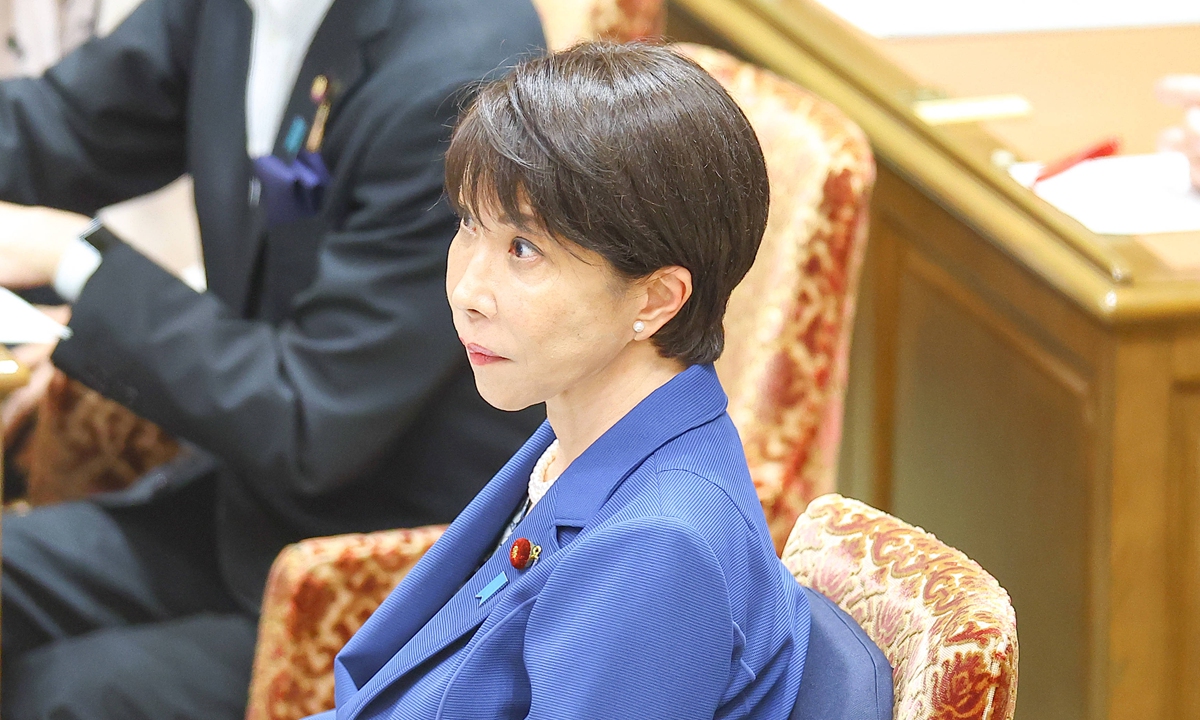
Japanese Prime Minister Sanae Takaichi attended the party leaders debate held at the House of Representatives in the Diet,. Tokyo Japan on July 15, 2026.
Due to concerns about fueling tension with China and South Korea, Japanese Prime Minister Sanae Takaichi is considering refraining from visiting the notorious Yasukuni Shrine, a symbol of Japanese militarism and wartime aggression, to mark the anniversary of Japan's unconditional surrender in World War II (WWII) on Saturday, Japanese media outlet Kyodo quoted sources familiar with the matter as saying on Wednesday.
Chinese experts said even if Takaichi forgoes a visit to the notorious shrine, the potential decision is merely driven by political calculations and diplomatic maneuvering, and could not be interpreted as a shift in her right-wing stance or as a sign of remorse over Japan's wartime aggression.
Such a visit to the shrine by Takaichi, a conservative known for her hawkish foreign policies, would certainly fuel tensions with China and create a rift in relations with South Korea, two countries that suffered under Japan's wartime military atrocities, Kyodo News reported.
Takaichi regularly visited the shrine before, even while serving as a Cabinet minister. But she has not visited the shrine since becoming leader of the ruling Liberal Democratic Party and prime minister in October, according to Kyodo news.
Chief Cabinet Secretary Minoru Kihara said at a press conference on August 7, when asked about a possible visit by Takaichi to the shrine around the anniversary, that "it is a matter for the prime minister to decide appropriately on her own," according to Japan's Jiji Press.
A source close to Takaichi told the Jiji that, "I don't think the prime minister will visit Yasukuni Shrine. It would complicate relations with South Korea."
Japan's Asahi TV reported that Takaichi may forgo the visit because she believes it is necessary to avoid triggering diplomatic tensions with South Korea, as well as with China.
A visit to the notorious shrine by a sitting Japanese prime minister would be a serious political incident, as it would reflect the leader's attitude toward Japan's wartime aggression and broader historical issues. Even if Takaichi chooses not to visit the shrine, it would not signal a retreat from her right-wing stance or a change in her views of Japan's wartime aggression against other countries, Lü Chao, an expert on Korean Peninsula issues at the Liaoning Academy of Social Sciences, told the Global Times. Rather, he said, the decision would largely reflect political calculations and diplomatic maneuvering.
Lü added that Takaichi could still make other symbolic gestures on the anniversary to cater to Japan's right-wing forces, whose support helped propel her to power. Such a move, he said, would underscore that her views of Japan's wartime history remain unchanged and serve as a reminder to neighboring Asian countries to remain vigilant about Japan's political direction.
Reporting on Takaichi's possible decision to forgo a visit to the shrine, South Korean newspaper Chosun Ilbo said on Wednesday that Takaichi had regularly visited the Yasukuni Shrine. "In the Liberal Democratic Party leadership election held in October last year, Takaichi also said that if appointed prime minister, she would visit the Yasukuni Shrine, noting that such visits should not become a diplomatic issue." However, since then, Takaichi has not visited in person and has only dedicated offerings in a private capacity, per the report.
In April, after Takaichi sent a ritual offering to the notorious Yasukuni Shrine, Chinese foreign ministry spokesperson Guo Jiakun said that China firmly opposes and strongly condemns Japan's latest negative moves related to Yasukuni Shrine and has lodged strong representations and protests with the Japanese side.
The Yasukuni Shrine is a spiritual tool and symbol of Japanese militarists responsible for the war of aggression. It is in fact a shrine for war criminals, noted Guo.
No sitting prime minister has gone to Yasukuni since Japan's late leader Shinzo Abe did so in 2013, drawing strong criticism from neighboring Asian countries.
Beyond Takaichi herself, some Japanese politicians and lawmakers have kept visiting the Yasukuni Shrine, triggering fierce pushback from peace advocates in Japan and the international community, Liu Jiangyong, a professor at the Institute of International Studies of Tsinghua University, told the Global Times, noting that such visits not only reflect the long-standing right-wing stance of Takaichi and other conservative politicians on historical issues, but also lay bare Japan's enduring militarist remnants.
Also in April, members of the conservative solidarity association, a group of conservatives in Japan's Liberal Democratic Party, and 166 Sanseito lawmakers from the Diet and local assemblies visited the Yasukuni war shrine.
In response, Lin Jian, Chinese foreign ministry spokesperson said that China strongly deplores and condemns such acts.
"By visiting the Yasukuni war shrine that honors Japanese Class-A war criminals year after year, these Japanese politicians seek to reverse the just verdict on Japanese aggression, and hereby whitewash Japan's war crimes and revive militarism. The Chinese people and people elsewhere who suffered under Japanese aggression will never accept that, neither will anyone in the world who stand for peace. As Japanese neo-militarism keeps gaining strength, the international community must stay on high alert and stand ready to stamp it out before it could wreak havoc in the region," said Lin.
。

C |
Current article:http://pfk.miaorediancuisuilianzouguang.cyou/am57m/999urv.html
Published on:10:32:08


